
The greatest risk is not taking one
Paula Scher
Concept Development | Interviews
Torsten Posselt, FELD
- “failing is a very important part in a designer’s work these days”
- “If you are like, ‘oh I’m not confident in this area’, and you just go around that area and always avoid it, you will never make mistakes that will help you to learn.
- If you’re stuck with ideas, use your hands, do something, try something out, let it sit, challenge it.
- “Failing alone, doesn’t do anything, failing and analysing is the key, I believe”.
- Emphasis on risk driven process embracing failure and the intersections between idea generation and the final pro
Matthew Jones and Michelle Dona, Accept & Proceed
- “We start every project with a workshop”.
- analyse that brief
- “We’ll get all the stakeholders in the room. Everybody will be there, and we’ll sit around, and we’ll spend an afternoon probably just looking at imagery, doing little games and tests, and trying to get to the bottom of what this brief is”.
- Workshop: ‘triangulate’ :”we look at the brief from three angles: our point of view, the client’s point of view, but crucially, from the consumers’ point of view. People often forget about that”.
- Image selections. “We will print out loads and loads of images and we’ll spread them all over the table and we’ll get them to answer questions by picking images to answer the questions. Then that gives us a great mood board, so we know where we are with this client and what sort of stuff they want to say”.
- Rorschach blots.: what emotion that that thing, that piece of art, gives you? How do we bring that emotion out in them? [the consumer].
- “we made it together and that’s given us more of a visual brief, and a brief which is different to just a Word document. It is a brief which everyone will buy into, it’s like, ‘yeah, we can feel the emotion of it now’, and then we start working into that”.
- collaborative aspect of brief creating – wide perspectives
Wouter Dirks, Studio Dumbar
- Strategic sweet spot is of the client – add research, big brainstorm with the design team. This also includes interns, it’s not only people already working for a long time but also interns, and this brings up a lot of interesting new ideas. Two weeks of design time.
- Review with the client…this is a moment where we just print out almost
any idea we have. Then we take all this feedback and from that we create two concepts. - Widen in designing the solution; involving the client pretty soon in the process; and then going to the concept that fits best
Stijn van de Ven, Eden Spiekermann
- have a certain way of sketching where you try to make as much as you can in one day, or preferably an hour, without thinking too much. It’s just make, make, make, make, make, and then select at the very end. That’s to kind of get this little engine going, because what we sometimes see is that you can get stuck in your own ideas…by separating the making from the critiquing it, you got to be your own art director for a bit.
- “write before you design”: writing “can kickstart a lot of ideation, a lot of ideas in a very short time.
Luke Veerman, Eden Spiekermann
- I think one of the most important things is that you take it further than the client wants it,
- “I think that’s one of the most important things that we always strive for with idea generation…you still need to force yourself to say, ‘okay even though this is already good enough, I’m going to continue and continue until I’ve really exhausted all possible scenarios, and all possible routes”
- Multidisciplinary teams: “Especially in these idea generation phases, it’s good to get everyone’s opinion because good ideas can come from anywhere.
- “You need to look at different disciplines in order to make something that is ground-breaking enough but is also viable and can actually be delivered at the end of the day”.
TedX, (2003) Design and discovery.
- emotional response to products
- simplicity vs expression
- intuition: ingredient in design – unquantifiable
- Einstein: the intellect has little to do on the road to discovery. There comes a leap in consciousness, call it intuition, or what you will, and the solution just comes to you and you don’t know from where or why.
- ‘Don’t mistake legibility for communication’
- The invention of printing.
- “When new technologies impose themselves on societies long habituated to older technologies anxieties of all kinds result.

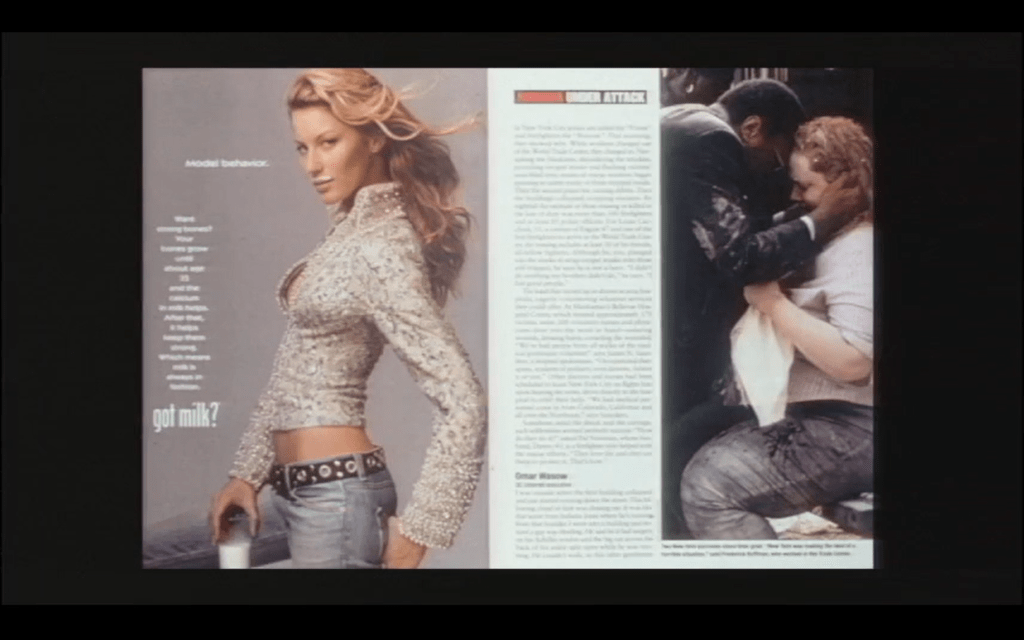

“You have to utilise who you are in your work. Nobody else can do that. Nobody else can pull from your background, from your parents, your upbringing, your whole life experience. If you allow that to happen, it’s really the only way you can do some unique work and you’re going to enjoy the work a lot more” >>> Fine art background
Design Indaba, (2018) Morag Myerscough on transforming spaces with colour and embracing the unknown.
- Morag’s grandmother – Creating a french salon in a low budget small house,: Make your own life – ‘she lived her fantasy’
- ‘We can make belonging’
- Passive seeing: depths
- ‘Seeing things as though you’re a child’ – camera obscure, Mexico
- childrens hospital bedrom – 3d model visualisations
- 3 x 200 m hospital corridor: colour tweets. colour mood mapping
- archive of colour moods throughout the year
- wide open: uniting people from different cultures – pattern
- remember to play
Artswat, (2007) The Art of Looking Sideways by Alan Fletcher.
- Editorial ‘collage’- compilation of imagery, quotes, extracts,
- assemblage
- ‘we think in pictures’ – the idea of seeing – perception
- words are the most common symbol
- living outload – typography expressing the sentiment of the words
- alphabetic forms found on pebbles on the beach
- wide possibilities of meaning within various contexts
- entertainments – with a point/ message
- “This book is for visually curious people, who don’t want to walk around with blinkers’
- “It’s about what you weren’t taught at school”
- resources from a wide variety of cultures, contexts, experiences. from ancient greeks to ‘something I heard down the pub’
Critical Analysis
The objective behind Alan Fletcher’s The Art of Looking Sideways (2007), is to challenge conventional perspectives and processes of interpretation within visual culture. Much like ‘Ways of Seeing by John Berger, the limitations of seeing as a visual and intellectual process are pushed in order to entertain and creatively challenge the reader and unleash new unconventional visual languages. This resonates with ideas within Morag Myerscough‘s talk such as ‘seeing things as though you’re a child… as though you’ve never seen them before’ in order to reflect more deeply and originally on familiar subjects as a means to create new possibilities.
The infinite array of resources inspiring this book, from ancient Greeks to conversations ‘down the pub’ aptly represents this modules (and this weeks case study’s) emphasis on multidisciplinary practice, and stepping out of design into new fields in order to discover unknown possibilities beyond my own practice. This has encouraged me to think more broadly and step outside my comfort zone during this weeks workshop challenge in order to discover unique, meaningful potentials within the context of my project strategy.
Further Research
The Farm:
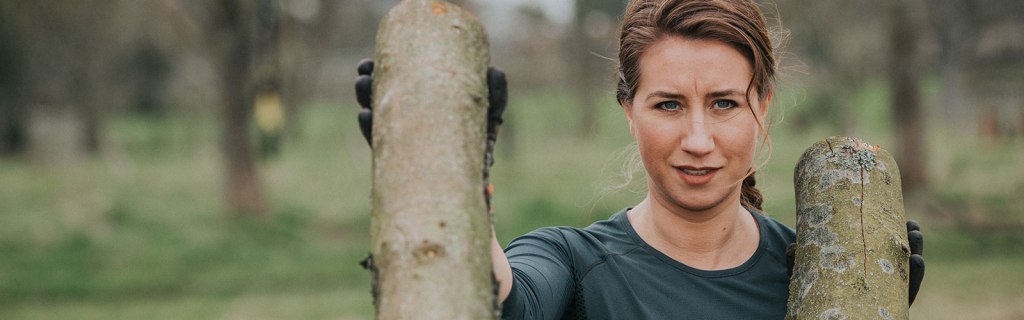
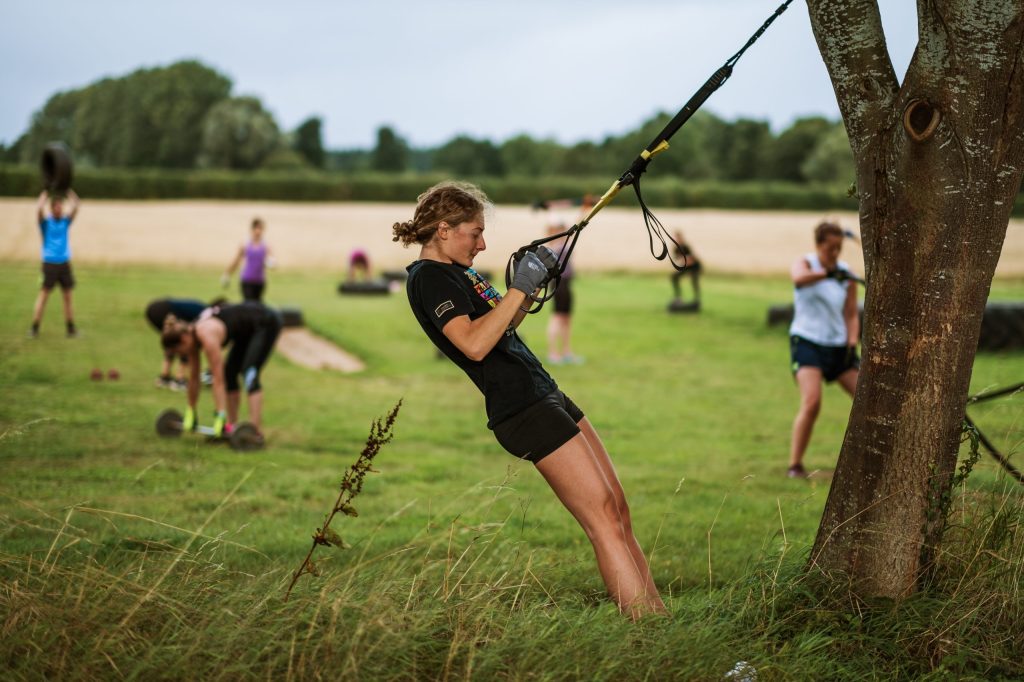
The Farm is a nature-based fitness and wellness initiative, offering outdoor community fitness classes in addition to nutrition workshops such as cooking and intuitive eating. The project provides a unique alternative to the traditional indoor, technology-based gym experience, celebrating the simplicity of nature and its capacity to foster physical strength and resilience.
Natures itself is recognised as a training tool, facilitating a variety of activities, for example cut logs and trees are used for strength and resilience training. The Farm’s ethos to make both the physical and psychological wellbeing benefits of nature accessible aligns with my project aim, encouraging me to consider how ‘direct experience of nature’ (Kellert, (2015) can be explored within the context of design. Considering the chosen trend of ‘edu-play-tion’, the Farm successfully creates an environment to both learn and playfully explore physical fitness, however it appeals more exclusively to an adult target audience with existent access to its rural location. This inspired me to explore other contexts which could reach a broader audience.
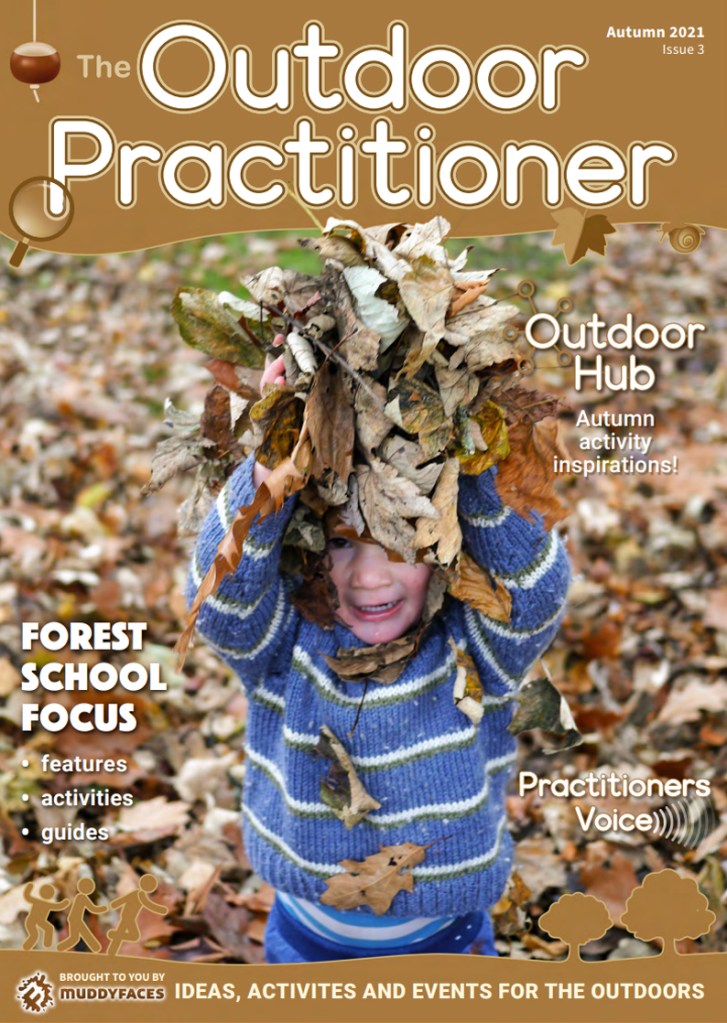
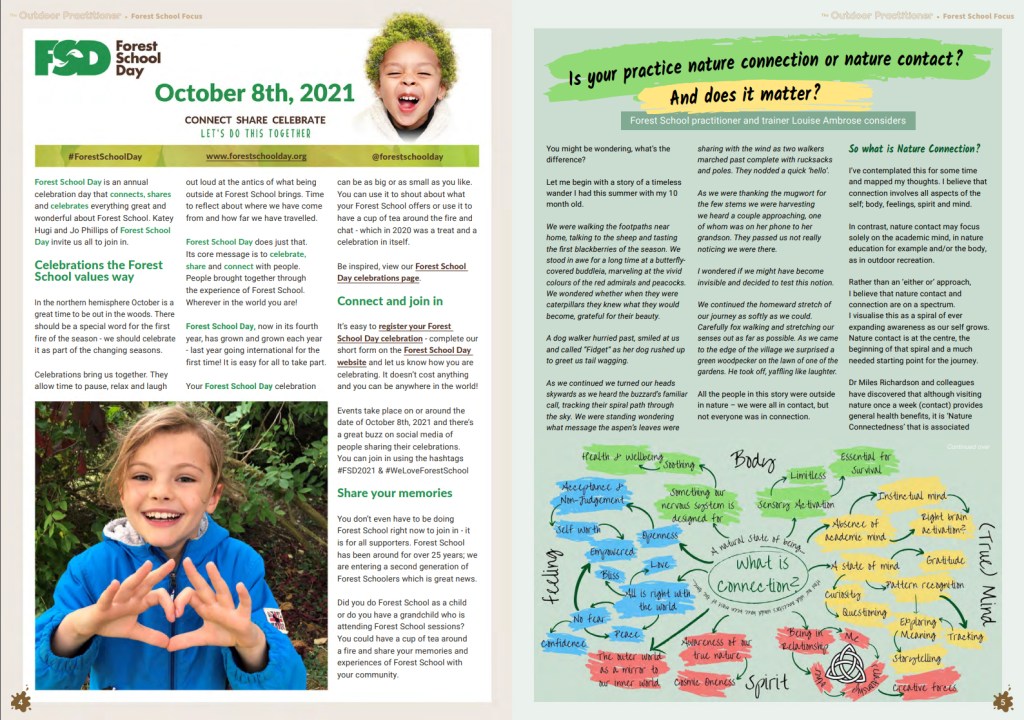
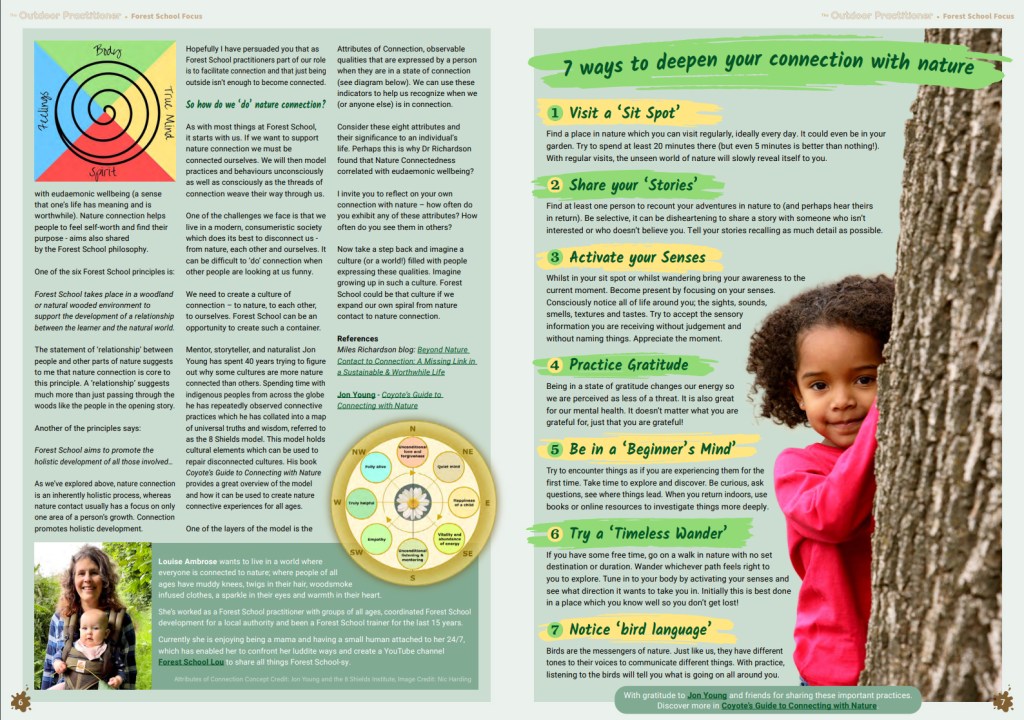
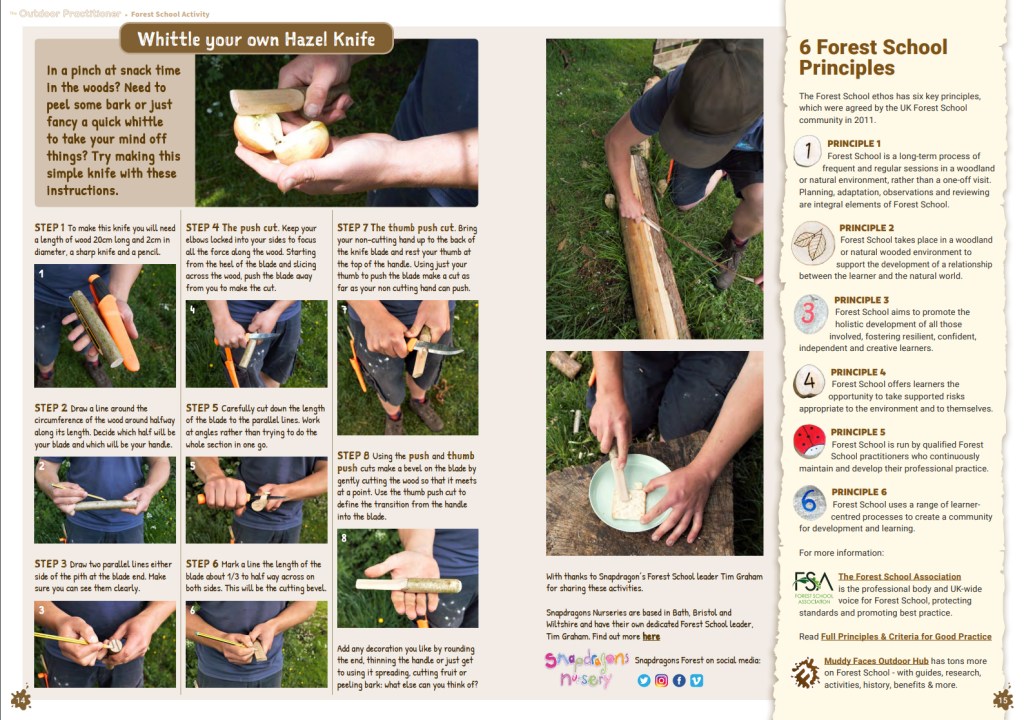
Muddy Faces:
https://muddyfaces.co.uk/activities/sustainability-nature

Critical Reflection
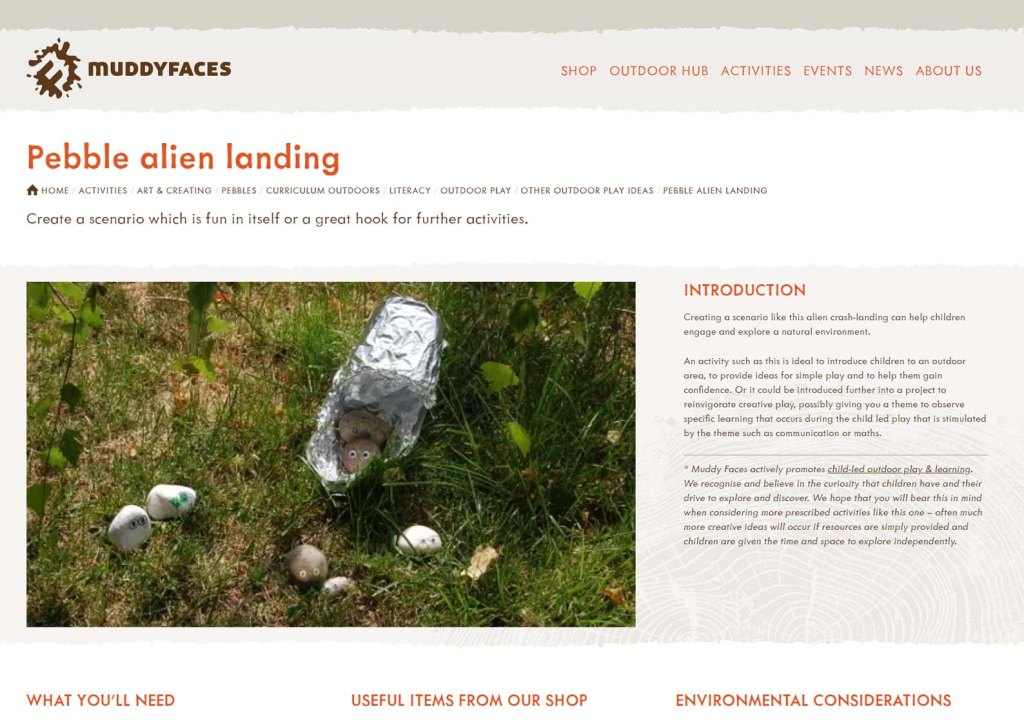
Muddy Faces exemplifies current initiatives designed to connect children with ‘direct experiences in nature’ (Kellert, 2015) within the context of outdoor education programmes and forest school etc. Although it provides informative resources for practical nature-based crafts which could inspire relevant design concepts, it also reiterated the presence of existent projects and the limitations for originality within this direction. This inspired me to consider if there was a void to be filled regarding ‘indirect experiences in nature’ which could be used to benefit children and families at a deeper level in new contexts.
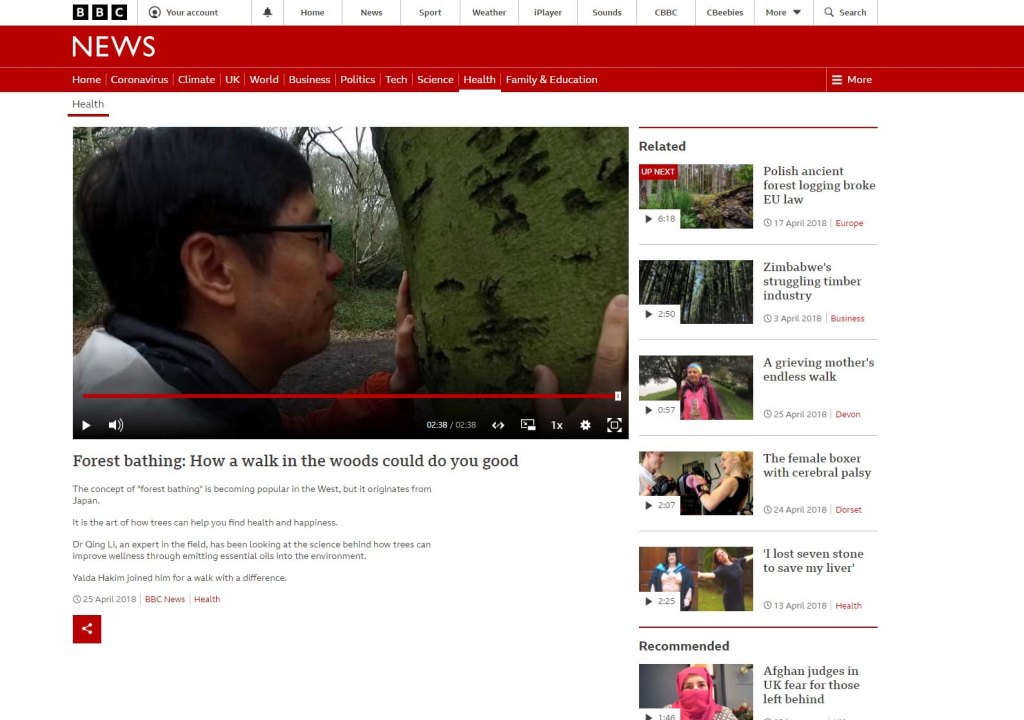
In this way, the BBC World News article regarding ‘Forest Bathing’ highlighted how nature provides spiritual fulfilment in addition to psychological and physical health benefits, therefore I pursued concept ideas focusing figurative representations of nature which could empower playfulness and wellness through storytelling and imagination.
Workshop Challenge
Mission Statement: To introduce the wellbeing benefits of nature into education and home-based play activities in order to foster an appreciation and connection to the natural world.
Target audience: Mainly primary – junior school children, parents and educators, however after feedback from a teaching professional, I’d like to create a diverse outcome which also resonates with a less age specific audience as there seems to be less nature-based wellbeing support/ initiatives for adults.
Concept Ideas
- 1). Illustrative editorial/ interactive play resource/ deck of cards to connect children with the mystical folk lore surrounding plant and animal species. This could have an interactive game function to encourage outdoor activity (in the form of arts and craft or conservation initiatives) or could be an educational resource to spark children’s imagination and excitement of the natural world.
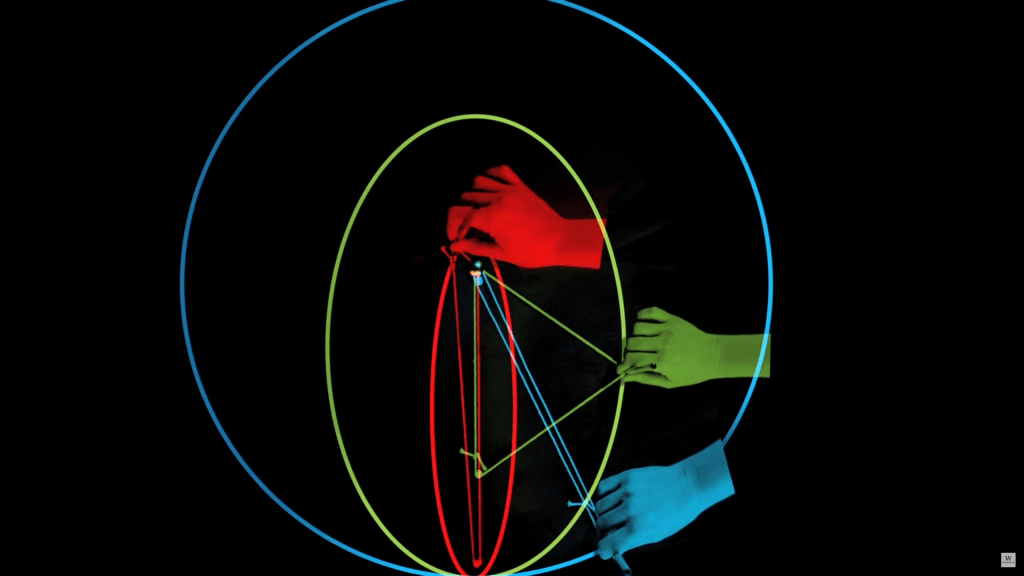
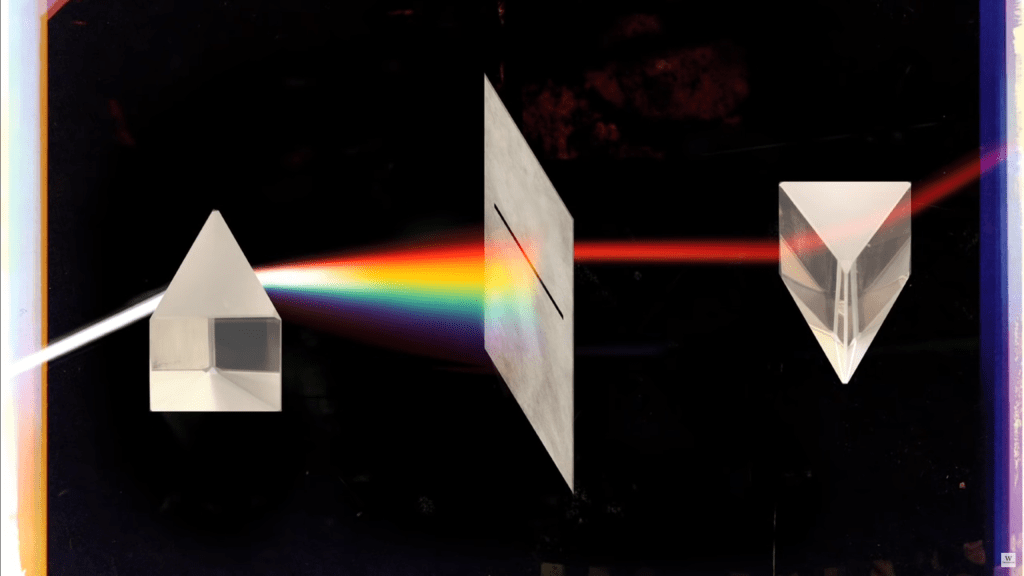
- 2). Illustrative editorial/ interactive play resource/ deck of cards/ video inspired by Richard Dawkins’ book ‘The Magic of Reality’ which explores natural phenomena such as rainbows their scientific processes.
- 3). Forest Bathing campaign/ information resource for education providers and parents exploring scientific data regarding the health benefits of forest-based experiences. As outdoor experiences promote wellbeing and cognitive development, this could include infographics to compel schools, colleges and employers to invest in forest-based wellbeing workshops or events.
- 4). Seasonal foraging resource for parents and individuals to encourage outdoor exploration and sustainable cooking activities. This could encourage engagement with the natural world through survival-based activity, stimulating creativity and self-reliance. It could have an emphasis on easily available plants such as nettle and dandelion in order to appeal to parents and education providers less experienced in outdoor navigation required to find more specialist species.
- 5). An animal tracking activities handbook with information graphics and illustrative content teaching people how to identify species through footprints, tracks and sounds etc. This could be extended as an online tracking app to survey species populations in local areas.
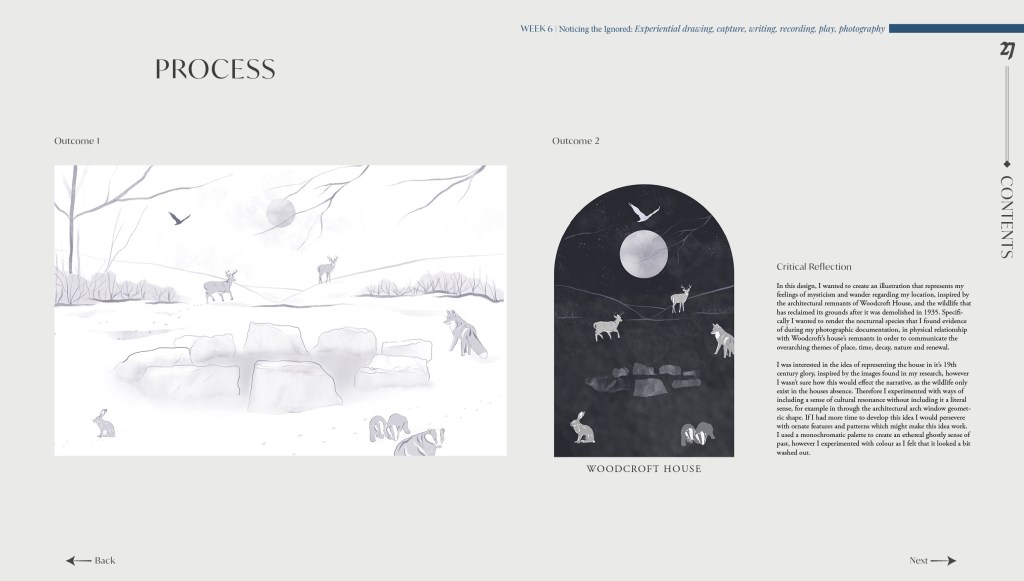
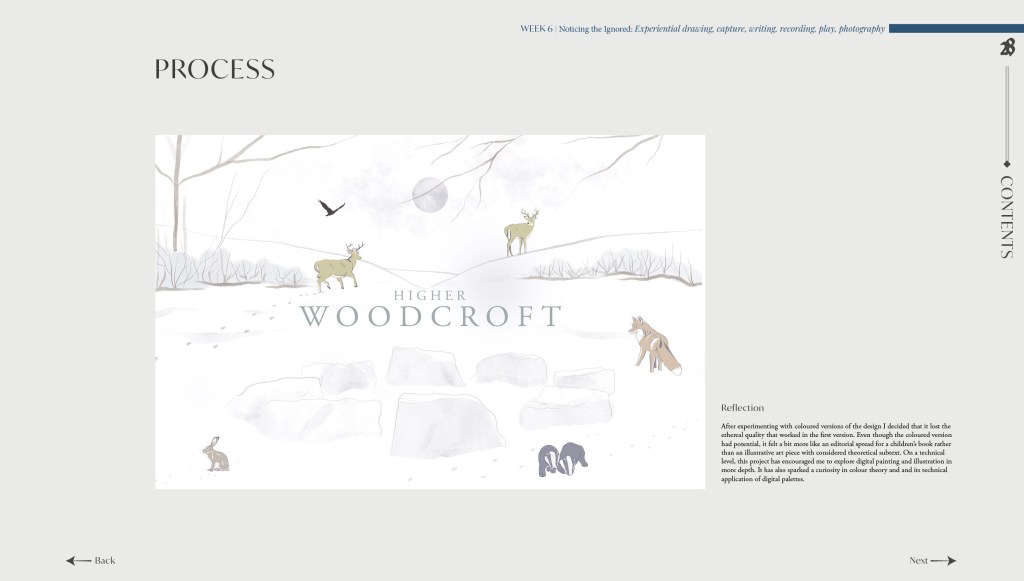
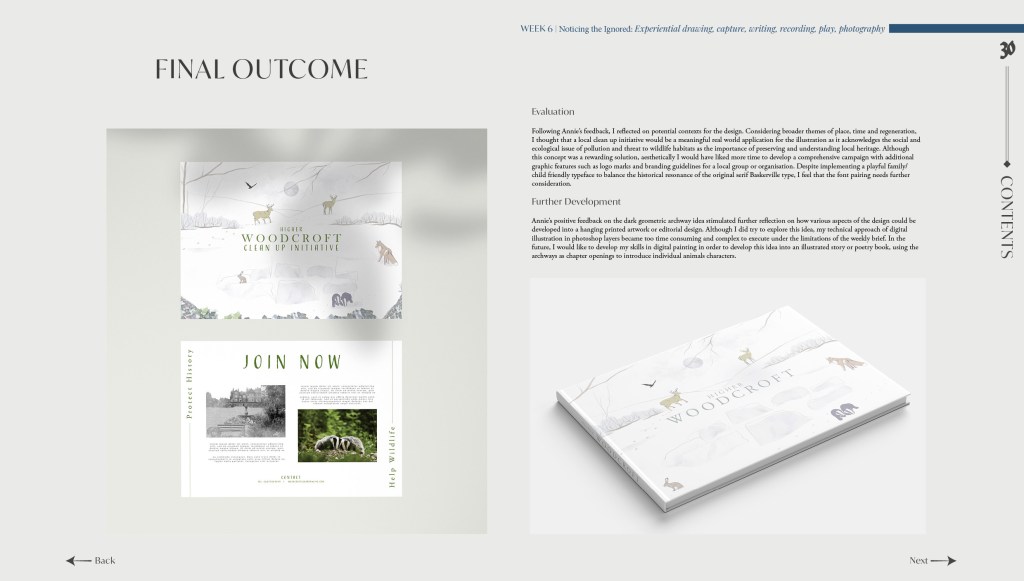
- 6). A marketing campaign for a local clean up initiative with an emphasis on local species conservation. This could be an extension of a project from module 1 (Week 6: Noticing the Ignored), however could be explored through the creation of a brand identity with ongoing initiatives to get the local community to engage with conservation and outdoor activity with a social and wellbeing function. I completed this project with a view to explore my animal illustrations as individual characters through an ecological perspective, which I feel would be an appropriate way of connecting local communities with the landscape, narratives around individual species and the individual’s capacity to empower positive ecological action.
- 7). A resource to responsibly introduce children to environmental concepts in order to educate whilst managing overwhelm, eco-anxiety and empower optimism and positive action.
Target Audience/ Industry Professional Feedback: Ian Prior (PGCE Student, Primary Education).
- No. 1 Folk lore: More original idea, not seen before in curriculum or external projects which could also be used for older students. Could be a hook for historical, religious, literary studies.
- No. 2 The Magic of Reality: Interesting original way of teaching children about science. Could be incorporated into daily routine, e.g. Daily morning/ end of day fun fact.
- No. 3 Forest Bathing: Could exclude urban communities due to lack of access to local forest. Would require more time, preparation and budget for off site visits.
- No. 4 Foraging resource: Also limited and less original due to existent projects
- No. 5 Animal tracking resource: Limited possibilities, less original approach as there are existent projects by RSPB, Woodland Trust etc. Could exclude urban areas due to less access to nature spots with active animal habitats/ activity.
- No. 6 Species conservation driven local clean up initiative: Can be adapted local areas and location/ region specific wildlife, eg London has a population of wild paraquets. Also, litter is a common issue relevant to all human populated areas. Good way of teaching children about responsibility, waste and ecology as well as being an accessible outdoor team building activity. The characterisation and narrative aspect of this idea could provide a hook for other subjects such as literature, creative writing, drama etc.
- No. 7 Children’s introduction to environmental concepts: A valuable idea but potentially triggering and unnecessary for early years. Potential idea for KS 2-3




 CATHY DAVIES